
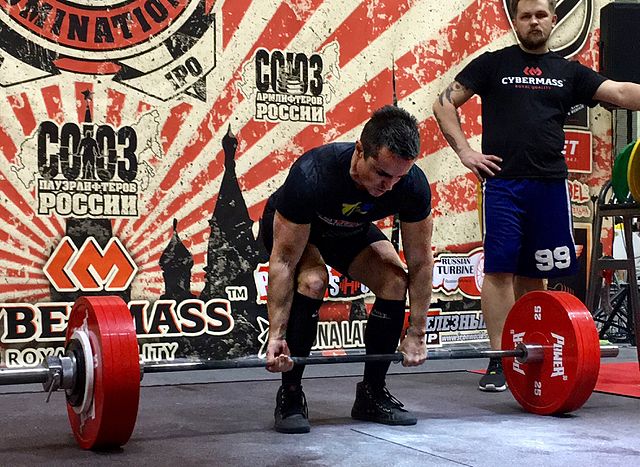
The Deadlift.
An exercise that can cause significant changes in physique and strength but also carries a very real potential for injury if performed incorrectly.
If you follow my social media accounts, you may have seen numerous posts on the deadlift. The deadlift is a total body exercise utilising and is the exercise with which you will be able to shift the most weight due the vast number of muscles that facilitate this movement. Therefore, chances of injury are increased and therefore it is extremely important to ensure that the form is spot-on.
Here are my top five mistakes and what you can do to avoid them!
1) Starting With Hips Too High


If we begin with the hips in a high position, it typically leads to the rounding the spine. While this isn’t necessarily dangerous, we want to ensure that the back is relatively straight and focus on holding the back in this position throughout the lift. If the hips start in too high a position, it’s not uncommon for significant discomfort to be felt in the low back. The simple fix is to drop the hips a little more.
In addition to this, think about keeping the chest lifted and pull the shoulder back throughout the movement. The deadlift is probably the exercise I spend longest teaching clients – there are lots of moving parts and it’s not a movement that tends to come very naturally to many.
If you’re struggling to complete the movement or feel unsure about the positioning think about regressing the movement. Start the lift from a higher position by placing the bar on a couple of steps or on the rack and avoid lifting from the floor. Keep the weight light initially and practice technique before progressing the exercise back to the floor.
2) Not Pushing the Hips Through / Overextension of the Hips


At the top end of the lift, as you raise the bar and begin to lockout, you need to think about pushing the hips into the bar to ensure that the hips are taking the load and that the lower back is in a safe position. Individuals who are new to this exercise often do one of two things – not push them through at all or exaggerate the movement and push the hips through too far.
To resolve this, all I ask my clients to do is, think about really squeezing your glutes as you stand and naturally their hips will come forward the correct distance. This pushing through of the hips is not a big movement and doesn’t need to be over emphasised.
3) Bar is too far from the Body
Holding the bar too far from the body will have a direct impact on the bar path. You want to ensure that the bar rises straight up in a vertical path, from the floor up to the hips, as this is the most efficient bar path and will facilitate safer, heavier lifts. Having the bar away from the body can also pull the shoulders forward which in turn causes the back to round, decreasing the efficiency even more.
So for a efficient deadlift, when setting up, start with the feet directly under the bar with the bar nearly touching the shins and keep the bar tight to the shins and thighs as you stand.
4) Dropping the Hips too Low

The Deadlift is not a Squat. Starting with the hips too low causes the movement to become too similar to a squatting movement. In doing this, you are only making the exercise more difficult for yourself by failing to engage the correct musculature and causing the bar path to be in the wrong position. Not only are you making the lift more difficult for yourself but once again, you may be at risk of putting the lower back into a compromised position.
When setting up for the lift, ensure that your hips are higher than the knees and avoid sitting the bum back which will ensure that the glutes and hamstrings are engaged and taking the load.
5) Bouncing the Bar
By bouncing the bar off the floor, not only are you not getting the full benefit of a deadlift but, you may also be placing your back in a unsafe position. Bouncing of the bar occurs when the individual is lowering the bar back down to the floor and as soon as the bar makes contact with the floor, they pull back up on the bar. Therefore, the individual is utilising momentum to assist the lift rather than generating all the force from the muscles.
The solution is simple. Take your time between repetitions. As soon as the weight hits the floor, take a second to reset and then continue. By doing this, you eliminate the risk of bar bouncing which will increase the safety and efficiency of the deadlift.
Let me know your thought and Happy Deadlifting!
 The Strong Men ™ - Men's Coaching
Leave a comment